


What do software development and memes have in common?
Well, recently, it feels like a lot.
Thanks to Cursor, Claude, Codex, and the rest of the AI-assisted “vibe-coding” stack, you can go from “wouldn’t it be funny if…” to a working prototype in the time it takes to post a GIF.
Same tempo. Same throwaway energy. Same 2am “does this land?” reflex.
It’s a new era of app and software development. An era where engineering and decades of technical prowess come at the push-of-a-button, and the best ideas, taste, and cultural timing win.
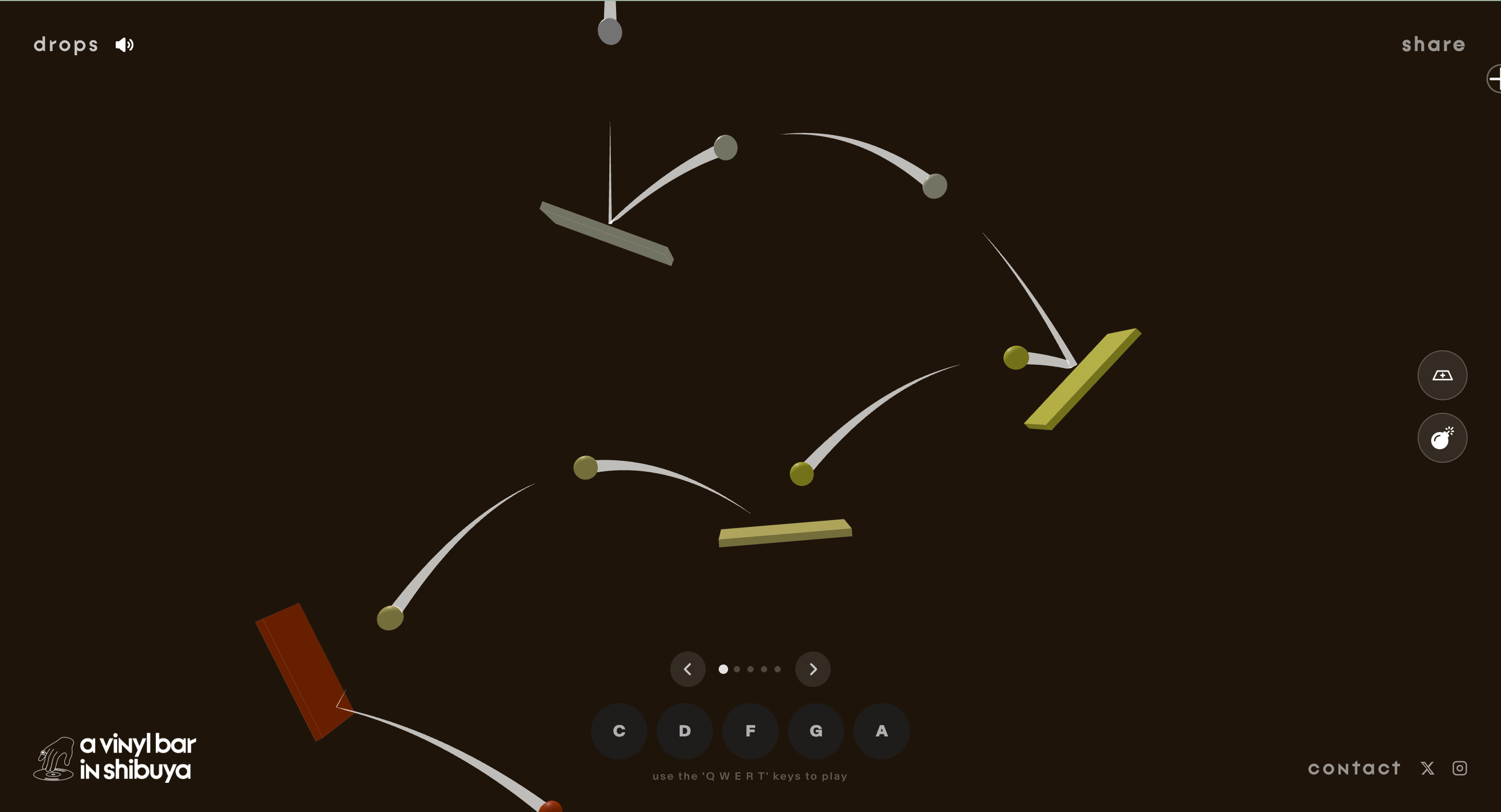
Weekend hackers are churning out digital tools and toys that go viral, get paid, and fade away in days. Pieter Levels ships a new product every few weeks. Neal Agarwal turns out a browser toy every few months that eats a week of internet attention and then disappears. A Vinyl Bar in Shibuya is literally a “music (software) label.” I built FlightOrFight, an AI complaint letter generator, over a weekend, posted it on LinkedIn, and had it acquired by Wednesday.
Two years ago that sentence would’ve sounded clinically insane. Now it just sounds moderately unhinged.
That’s because apps are starting to behave like memes.
Most recently, we saw this happen in crypto. Memecoins weren’t a bug – they were what happens when token creation becomes frictionless and expressive. Suddenly, cryptocurrency stopped behaving like financial instruments and started behaving like Internet culture: fast and fickle.
At some point over the past year, code hit that same tipping point. It stopped behaving like infrastructure and started behaving like social media. Not software-as-a-service. Software-as-an-expression.
Or as I like to call it, “Code-as-Content.”
The “Code-as-Content” Era
Remember when every app became a camera app?
Instagram. Snapchat. Tinder, obviously. Suddenly, pointing your phone at the world became the default interaction model. Not because photography suddenly got cooler, but because the overheating phone cameras in our pockets got cheaper, faster, and good enough that seeing through them became an interface. Once that happened, Silicon Valley reorganized around it. The feed followed. Culture followed. The aesthetic economy (and BBL’s) followed.
We’re in the middle of that kind of shift again. Only this time, it’s code that is the new mass medium.
And like the camera era before it, every new app in the Code-as-Content Era seems to be a vibe coding app.
Meta recently acquired an incredible app called Gizmo that looks, at first glance, like a social network. Vertical scroll. Quick hits. Fast-moving. Except instead of photos or videos, you’re scrolling through little pieces of working software. Tiny interactive “gizmos” people generate from a sentence or two. A quiz. A toy. A weird idea that probably shouldn’t exist.
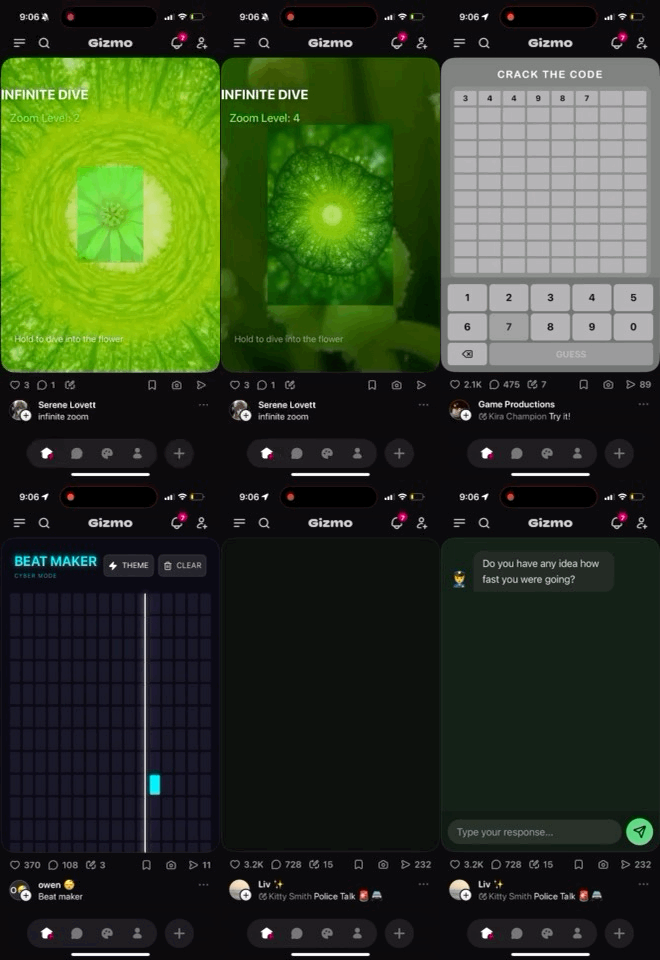
Gizmo isn’t alone. Spielwerk feels very similar. Rooms.xyz lets you build tiny interactive worlds. Wabi wants to be the YouTube of mini apps. And there are dozens more – Sekai, Replit, Vibecode, Rork – all doing the same thing.
But what’s interesting isn’t the technology.
It’s the behavior.
The people making these micro-apps aren’t acting like founders. They’re acting like SoundCloud musicians circa 2013. Or Tumblr kids posting GIFs. Make something. See if it lands. Remix someone else’s thing. Move on.
Vibecoding works the same way: did it make someone giggle? Did it capture an aesthetic? Did it do one really hyper-specific thing in a way that vibed?
If it worked, great. If not, delete it and prompt another one.
The same creative loop that powered bedroom producers and meme accounts is back – just in a new format. And similar to that wave, there will inevitably be an endless stream of new apps - mostly noise, but perhaps excess is the substrate from which new genres emerge?
Drops, Not Roadmaps
With this new format, the thing that matters most isn’t a roadmap, it’s cultural resonance. And culture doesn’t move in quarters. It moves in bursts. In moments where something clicks and then dissolves. And software that wants to participate in culture has to move at that speed.
The people building this way aren’t asking “will this scale?” They’re asking “does this feel right?” That’s an artistic question. Not a product management question.
And the companies that matter in the Code-as-Content Era won’t look like the ones that mattered in the last. They won’t be organized around roadmaps and dashboards. They’ll be organized around drops. Around taste. Around cultural timing.
Founders will ship like bedroom producers. I’m tracking about a dozen builders operating this way. And the venture capitalists who see this are already repositioning. They’re evaluating founders the way A&Rs evaluate new artists:
Does their release slap? Do they have an audience? Can they do it again?
Because once code becomes culture, the rules change.
The founders that get that are the ones I’d bet on.
/m
We’ve taken it a step farther and enable you to put content generation into your content. Vibes all the way down! E.g. https://www.blamo.ai/vibes/ai-game-studio
Spot on! We’ve been working on one of these too, and then saw Gizmo, and then 10 more of them. It’s a wild moment for sure! Try BLAMO on web and iOS; https://blamo.ai